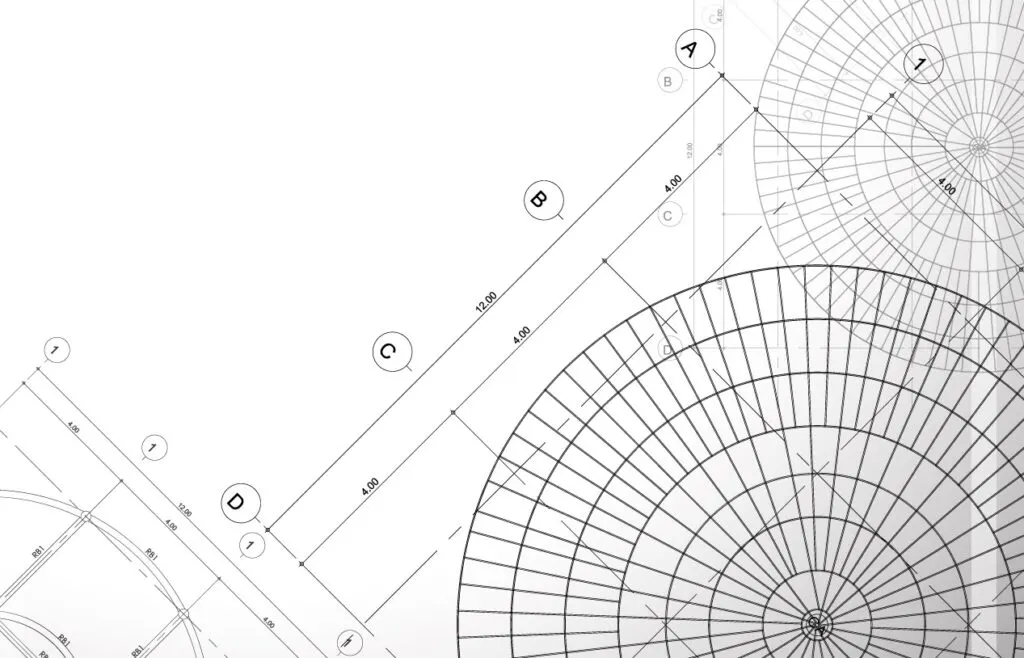
Understanding how to read and interpret steel detail drawings is crucial for anyone involved in the construction industry. These drawings provide the blueprint for fabricating and assembling steel structures. This article guides you through the key elements of steel detail drawings and how to interpret them accurately.
1. Overview of Steel Detail Drawings
- Purpose: Steel detail drawings are used to convey precise information about the dimensions, materials, and assembly of steel components.
- Types: The two main types of steel detail drawings are shop drawings (for fabricators) and erection drawings (for on-site assembly).
2. Key Elements of Steel Detail Drawings
- Dimensions: Detailed measurements that specify the size and spacing of steel components.
- Materials: Information about the type and grade of steel to be used.
- Connections: Details about the types of connections, such as welds, bolts, and joints.
- Annotations: Notes and labels that provide additional instructions and clarifications.
3. Understanding Symbols and Notations
- Common Symbols: Familiarize yourself with common symbols used in steel detailing, such as those for bolts, welds, and sections.
- Notations: Learn to interpret the notations used to describe dimensions, angles, and other specifications.
4. Interpreting Dimensions and Scales
- Reading Dimensions: Understand how to read and interpret dimensions, including length, width, height, and angles.
- Scale: Pay attention to the scale of the drawing to accurately translate measurements to real-world dimensions.
5. Reading Connection Details
- Bolted Connections: Learn how to interpret details about bolt sizes, spacing, and placement.
- Welded Connections: Understand the types of welds specified, their sizes, and locations.
6. Interpreting Annotations and Notes
- Instructions: Pay close attention to any annotations or notes that provide additional instructions or clarifications about the drawing.
- Revisions: Be aware of any revisions to the drawings and understand how to identify and implement changes.
7. Practical Tips
- Cross-Referencing: Cross-reference different drawings and sections to get a complete understanding of the structure.
- Consulting Experts: Don’t hesitate to consult with experienced detailers, engineers, or fabricators if you have questions or need clarifications.
Conclusion: Reading and interpreting steel detail drawings is an essential skill for anyone involved in the construction industry. By understanding the key elements, symbols, and notations, you can ensure accurate fabrication and assembly of steel structures.
DisclaimerEducational use only. Not engineering, legal or code-compliance advice.
The content on StructuralWorld, including articles, diagrams, calculators and other tools, is provided for general educational and informational purposes only. It is not engineering, architectural, legal or code-compliance advice, and it does not create a professional relationship between you and StructuralWorld or its authors.
Codes, standards and regulations (for example OSHA, IBC, ADA and AISC) are revised regularly and are adopted and amended differently by each jurisdiction. Figures shown here may be simplified, may refer to a specific edition, and may be out of date or contain errors. Calculators and interactive diagrams are illustrative only and are not a substitute for design calculations, shop drawings or engineering review.
Before relying on any information for design, fabrication, erection, inspection or safety decisions, verify it against the current governing code and the project documents, and consult a qualified, licensed professional (such as a structural engineer) and the authority having jurisdiction.
To the fullest extent permitted by law, StructuralWorld and its authors make no warranties, express or implied, about the accuracy, completeness or fitness for a particular purpose of this content, and accept no liability for any loss, damage or injury arising from its use or from reliance on it. Links to third-party standards and websites are provided for convenience; that material belongs to its owners. If you find an error, please let us know.